
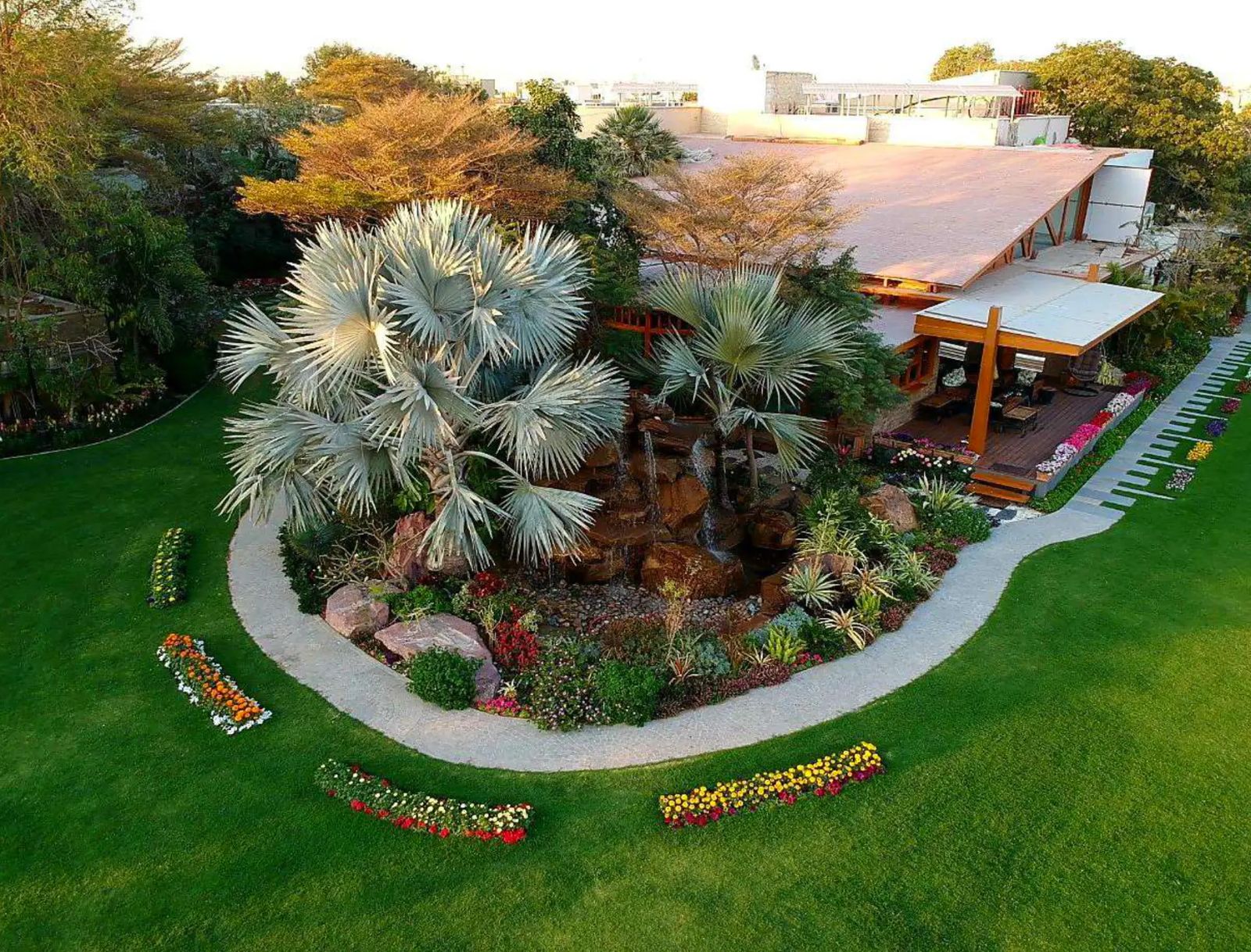
Quick answer
Identify the species and cultivar, mow with sharp blades without removing more than one-third of leaf height, and irrigate according to root-zone moisture. Dhaka and American are trade labels, not reliable botanical instructions.
Key takeaways
- Confirm species and cultivar before setting a mower.
- Use cultivar-specific heights; low sports-turf settings do not suit every home lawn.
- Diagnose drainage, shade and salts before applying fertiliser.
- Renovate during active growth with dependable aftercare.
Start with identity and growing conditions
Ask the supplier for a botanical name, cultivar if known, and maintenance sheet. Keep a representative sample or close photographs of blades, runners and seedheads. Local labels such as Dhaka and American can be applied inconsistently; neither proves a mowing height, shade tolerance or watering requirement. If the identity remains uncertain, seek an independent turf assessment rather than copying a neighbour’s mower setting.
Map direct sunlight across a typical day. Chronic shade, repeated foot traffic and a thin root zone can defeat otherwise good maintenance. Bermudagrass generally needs strong sunlight. Zoysiagrass characteristics vary between species and cultivars. Extension calendars from the United States provide useful biological principles, but their frost dates, seasonal fertiliser schedules and pesticide approvals should not be transferred to Karachi.
Mowing height needs a cultivar caveat
The ranges below illustrate why a single height is unsafe; they are not specifications for unidentified local turf. Confirm the selected cultivar’s guidance and whether the mower can deliver the cut without scalping. Fine turf maintained very short usually requires a level surface, specialist equipment and more frequent attention. Under stress, use the upper end of the verified range rather than suddenly allowing excessive height.
| Confirmed turf type | Illustrative established-lawn height | Important qualification |
|---|---|---|
| Common bermudagrass | About 25–50 mm | Home-lawn range; exact cultivar and mower matter. |
| Fine hybrid bermudagrass | Some cultivars are maintained around 13–25 mm | Only with suitable equipment and cultivar-specific advice; not a default home setting. |
| Many lawn zoysiagrasses | About 25–50 mm | Fine-textured cultivars may require different heights; confirm identity. |
| Unknown Dhaka or American label | No defensible universal height | Identify stock before choosing a numeric specification. |
Cut by growth, not by the day of the week
Remove no more than roughly one-third of the leaf height in one session. For example, a lawn maintained at 40 mm should generally be cut before it exceeds about 60 mm. If grass has become long, reduce it gradually over several cuts rather than taking it straight down to the final height. Keep blades sharp, vary mowing direction and avoid mowing saturated soil. Return fine, healthy clippings when they disperse without smothering the turf.
Inspect the finished surface: ragged tips suggest a dull blade; brown rings over high spots suggest scalping; wheel ruts indicate excessive moisture or weak ground. Raising the mower temporarily may reduce damage, but it does not repair poor grading. Do not describe every brown patch as a disease without examining roots, irrigation coverage and traffic.
Manage roots, water and nutrition together
Check moisture below the surface before irrigating. Newly laid turf needs a different programme from rooted turf: keep the establishment zone appropriately moist, then reduce frequency as roots develop. Established turf usually benefits from wetting its effective root zone and allowing some drying between events. Sandy soil, clay soil, wind and saline irrigation require different decisions. Never use a fixed daily runtime as a substitute for observing the soil.
Test soil before selecting amendments or a feeding programme. Nitrogen can stimulate rapid leaf growth without correcting compaction, salts or drainage. Apply only a suitable product at an appropriate label rate while grass is actively growing and not drought-stressed. Keep fertiliser away from drains and hard surfaces; sweep spills back into the treated area where safe.
Know when renovation is warranted
Record bare patches and identify whether the cause is shade, wear, pests, poor installation or water quality. Aeration may help compacted turf, but it is not a drainage design and should be scheduled during active recovery. Repair failed levels and specify compatible replacement turf. Keep people off newly laid areas until rooting is adequate; a calendar date alone cannot establish readiness.
Catalogue lawn-care and renovation services include assessment, mowing planning, compaction/drainage review and repair guidance. Confirm the agreed operations, disposal, access, watering responsibility and follow-up in writing. Neither a green photograph nor a general care guide is a promise of a particular outcome.
