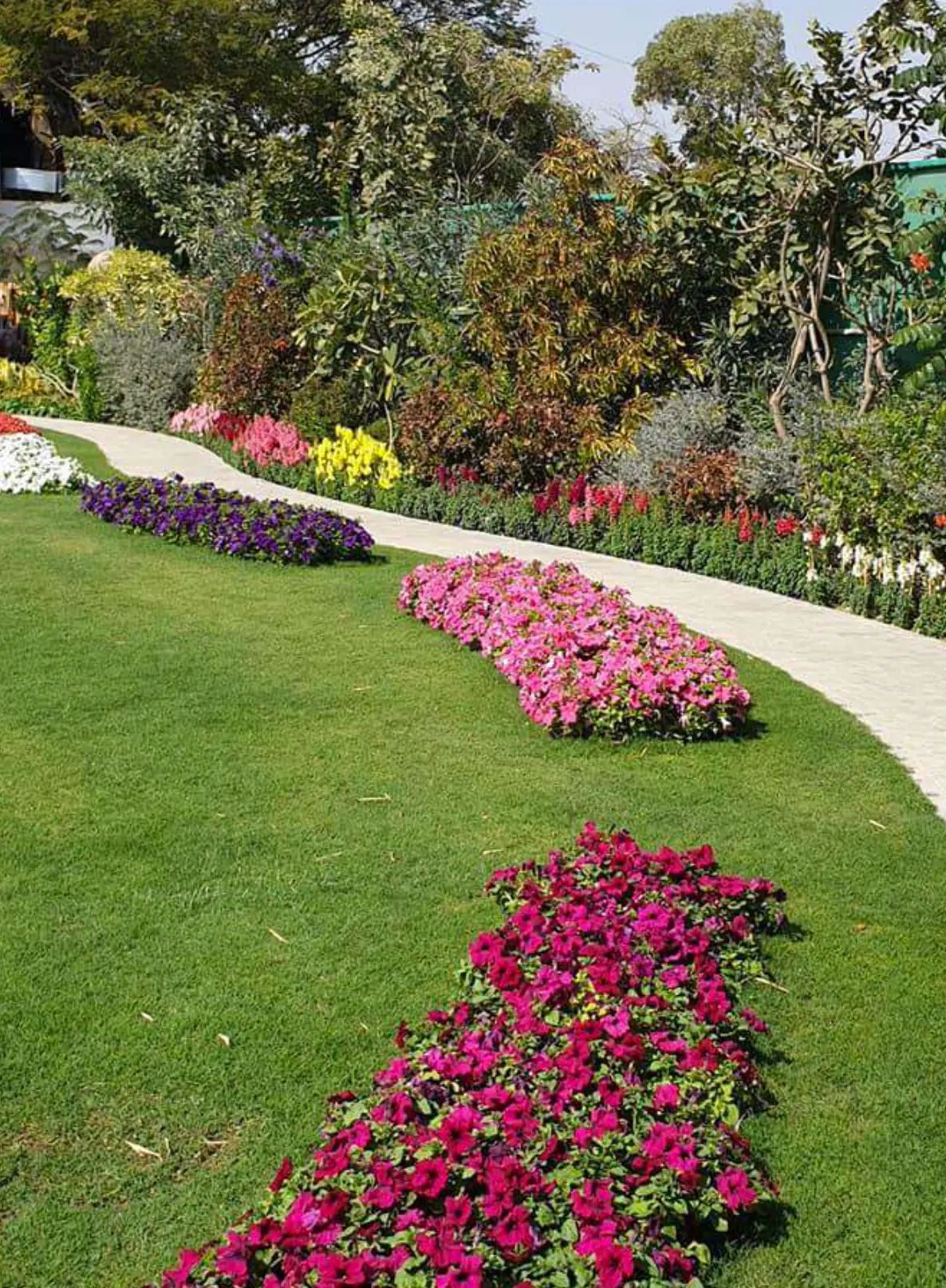
Quick answer
Use the cooler months for winter flowers and many leafy crops, introduce heat-loving annuals as temperatures rise, and plant woody stock only when drainage and establishment watering are dependable. Treat monthly windows as starting points, not fixed sowing dates.
Key takeaways
- Match plants to actual temperatures, sunlight and water quality.
- Delay planting during heatwaves or waterlogged conditions.
- Prepare drainage before monsoon planting.
- Keep a dated record of varieties and local results.
Read the calendar against your site
Karachi’s coastal setting does not produce identical conditions in every neighbourhood. Exposed terraces, sheltered courtyards and inland plots differ in wind, humidity and reflected heat. PMD research describes a more complicated seasonal pattern than a simple summer/winter split. Check forecasts and the root-zone moisture before buying plants. A mild week does not guarantee that tender transplants will establish through the next hot spell.
The monthly table is an editorial planning guide combining local seasonal-flower guidance with general establishment principles; it is not a PMD crop recommendation or an experimentally validated sowing schedule. Seed-packet temperature requirements and advice for the named cultivar take priority. Winter annuals usually need preparation before their display season, while heat-loving seed should not be started merely because the calendar says spring.
Twelve monthly priorities
Sow means start seed; transplant means move established nursery plants into their final position. Introduce unfamiliar plants in a small trial before filling an entire bed.
| Month | Planting or preparation priority | Site check | Prune, feed & water |
|---|---|---|---|
| January | Plant healthy winter annual transplants such as petunia and alyssum; succession-sow coriander where conditions suit. | Protect small seedlings from drying wind; avoid saturated beds. | Remove dead or diseased growth; postpone heavy pruning of flowering plants until their appropriate window. Feed only actively growing plants if needed; reduce watering as soil dries more slowly. |
| February | Maintain winter displays; start small batches of zinnia or other warm-season seed when temperatures suit the packet. | Do not rush heat-loving seedlings into cool, wet soil. | Prune after a flowering flush, not before buds open. Resume modest feeding as growth increases; check moisture before every watering. |
| March | Harden off warm-season flowers; trial zinnia, portulaca and suitable summer vegetables. | Increase sun exposure gradually; confirm reliable watering. | Trim only species suited to this pruning window. Feed established active plants according to the label and soil results; begin checking beds more often as temperatures rise. |
| April | Establish heat-tolerant annuals early in a suitable weather window. | Keep root balls moist; postpone large transplants during heat warnings. | Avoid drastic pruning before hot spells. Do not feed heat-stressed plants; water early, checking the root ball as well as surrounding soil. |
| May | Prioritise survival, mulch and small replacements over extensive new planting. | Assess afternoon heat and container moisture daily. | Keep canopy shade on vulnerable plants. Pause feeding during heat stress; inspect container moisture daily and irrigate when needed rather than automatically. |
| June | Prepare drains and supports; plant only where heat protection and water are assured. | Avoid fertilising wilted or dry plants. | Remove dead branches and secure supports before rain. Avoid fertiliser on dry stressed roots; keep reliable early-morning irrigation until effective rain arrives. |
| July | Consider container-grown trees and shrubs after rain where the soil drains freely. | Rain is not permission to plant into standing water. | Prune damaged growth safely; avoid unnecessary cuts in persistent wet weather. Delay feeding waterlogged plants; suspend timers after effective rainfall. |
| August | Continue selective rainy-season planting; remove failed plants and review causes. | Inspect for waterlogging, stem rot and unstable supports. | Remove rotting material and inspect disease. Resume feed only after drainage and healthy growth recover; water only where the root zone is drying. |
| September | Refresh summer beds if still productive; prepare clean nursery space for winter annuals. | Humidity and renewed heat can delay cool-season sowing. | Trim spent summer flowers where appropriate. Feed healthy active plants if needed; adjust irrigation for renewed heat without saturating humid beds. |
| October | Start or buy winter annuals as conditions cool; prepare well-drained flowerbeds. | Choose the sowing date from actual temperatures, not the month alone. | Tidy plants after flowering and prepare winter beds. Use tested mature low-salt compost where justified; gradually reduce irrigation as evaporation falls. |
| November | Transplant suitable winter annuals; sow small repeat batches of leafy crops. | Acclimatise nursery stock and check irrigation coverage. | Remove spent flowers and damaged leaves. Feed winter annuals only as required by their growing medium; water new transplants carefully without saturating beds. |
| December | Fill gaps with established winter plants; plan next year’s succession. | Reduce irrigation where growth and evaporation have slowed. | Keep pruning light and species-specific. Reduce feeding where growth slows; extend watering intervals when soil remains moist. |
Prepare the root zone, not just the display
Check soil texture, infiltration, pH and salinity where previous plantings have failed. Use mature, low-salt compost only where results and soil condition justify it; adding manure to every planting hole can introduce salts or create uneven moisture conditions. Remove rubble and persistent weeds. Set plants at an appropriate nursery/root-flare level rather than burying stems to disguise uneven ground. Water the root ball and surrounding soil after planting, then inspect moisture beneath the surface.
Keep purchase batches manageable. A tray planted promptly into prepared soil is usually a better decision than many trays left drying in temporary shade. Label unfamiliar varieties and retain nursery information, particularly for fruiting crops whose heat response and harvest period differ by cultivar.
Make next year’s calendar more accurate
Record sowing, transplanting, first flowering, failures and water source in a simple notebook. Photograph the same bed monthly. If a winter flower struggles, distinguish late planting from salt damage, poor drainage or pests before abandoning it. Remove diseased debris and use targeted diagnosis instead of automatic pesticide treatments.
The catalogue includes seasonal planting and plant installation; a written proposal should identify species, quantities, bed preparation and establishment responsibilities. General timing here does not establish company availability or a replacement entitlement.
- Before ordering: check forecast, cultivar, mature size and water source.
- After planting: inspect moisture, anchorage and drainage.
- At changeover: review what succeeded before selecting replacements.